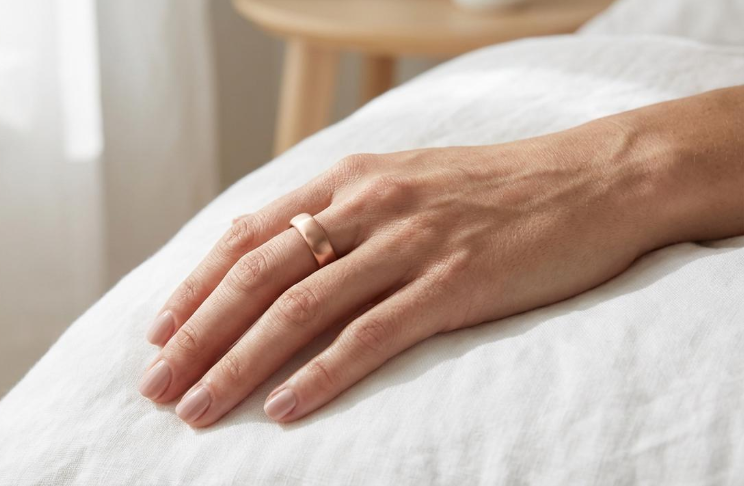


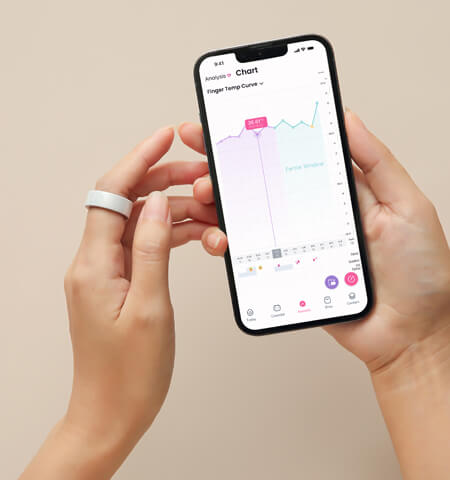







In 2026, smart rings are worth it for individuals seeking discreet, 24/7 health monitoring without "screen fatigue." They excel in sleep stage analysis, HRV-based recovery tracking, and menstrual cycle prediction. However, they are less effective for athletes needing real-time GPS/pace data or users who rely on wrist-based notifications. The value proposition has shifted from "novelty" to "preventative health tool."
1. The 2026 Smart Ring Landscape: More Than Just a Miniaturized Tracker
The wearable market has undergone a seismic shift. While the early 2020s were dominated by the "notification-heavy" smartwatch, 2026 is the year of Invisible Tech. The smart ring has matured from a niche fitness gadget into a sophisticated biometric laboratory that sits on your finger.
Why the Shift Occurred
Unlike the wrist, the finger provides a unique physiological advantage. The blood vessels in your fingers are closer to the surface, allowing Photoplethysmography (PPG) sensors to capture cleaner data with less "noise" from movement or hair. This makes the smart ring the gold standard for:
Autonomic Nervous System (ANS) monitoring.
Basal Body Temperature (BBT) trends.
Continuous Blood Oxygen Saturation.
2. Deep-Dive: The Core Value Proposition
To determine if a smart ring is worth the investment, we must analyze the specific pillars of utility they provide in the current tech ecosystem.
A. The "Screenless" Wellness Philosophy
In 2026, digital burnout is a recognized health concern. Smart rings offer a "Pull" rather than "Push" information model. You aren’t bombarded by emails or pings; instead, you check the app when you are ready to review your data. This makes it a mental health-friendly wearable.
B. Precision Sleep Engineering
Smart rings remain the undisputed kings of sleep tracking. Because of their form factor:
Compliance is higher: Users rarely forget to wear a ring to bed compared to a bulky watch.
Movement interference is lower: Rings stay snugger than watch straps during tossing and turning.
Circadian Rhythm Alignment: Modern rings now track "Chronotypes," advising you when to seek light and when to wind down.
C. Women’s Health and Hormonal Intelligence
One of the strongest arguments for the "worth" of a smart ring is its application in cycle tracking. By monitoring micro-fluctuations in skin temperature (down to 0.1°C), rings can predict ovulation and periods with higher accuracy than manual calendar methods.
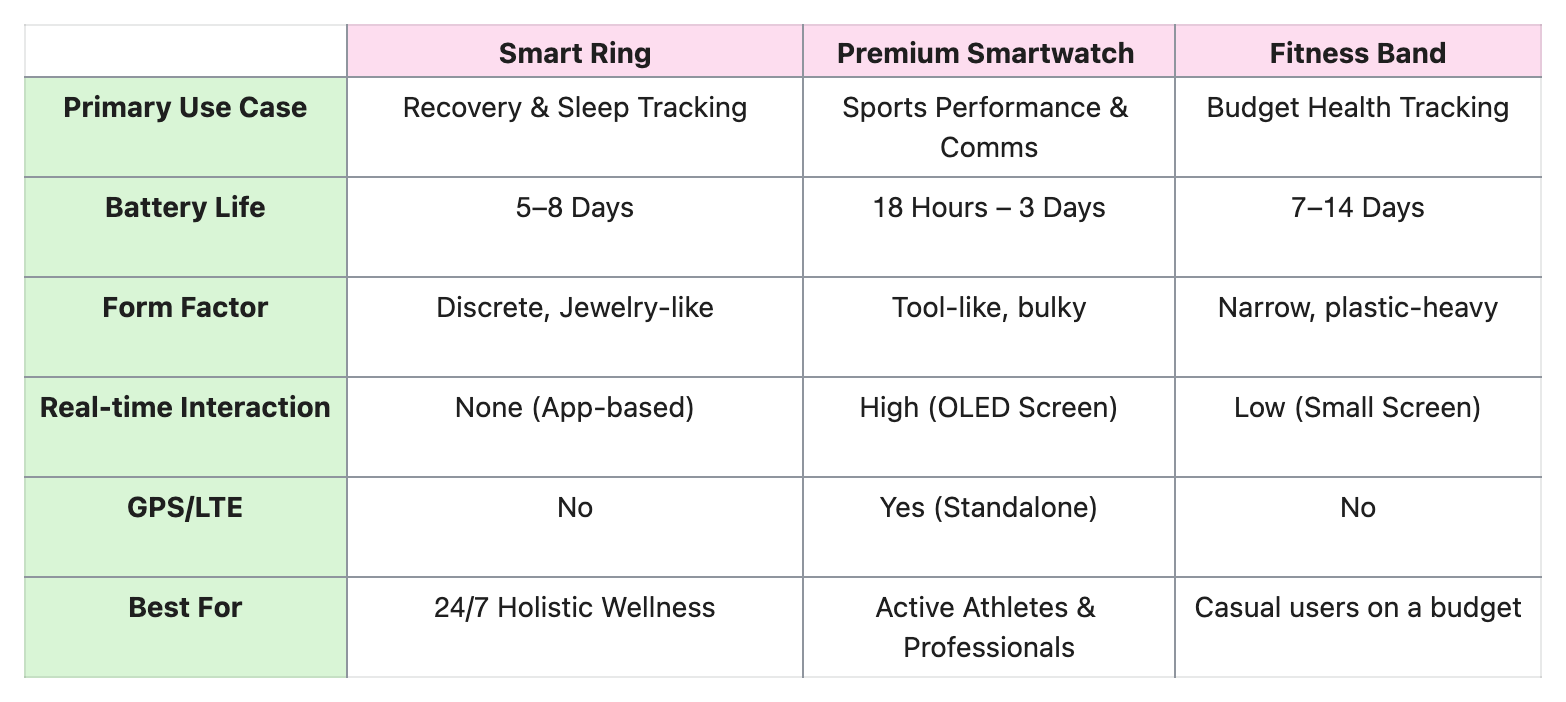
3. The Comprehensive Comparison: Smart Ring vs. Alternatives (2026 Edition)
4. Technical Analysis: What’s Under the Hood?
Understanding the "worth" requires looking at the hardware. A 2026-spec smart ring typically contains:
Infrared & Green LED Sensors: For heart rate and SpO2.
NTC Temperature Sensors: To detect the onset of illness before symptoms appear.
6-Axis Accelerometers: To differentiate between a brisk walk and doing the dishes.
Titanium or Technical Ceramic Housing: For durability and biocompatibility.
The Accuracy Debate: Is it Medical Grade?
While no consumer wearable replaces a clinical EKG, the gap is narrowing. In 2026, the algorithms (the "software brain" of the ring) use Machine Learning (ML) to filter out motion artifacts. For Heart Rate Variability (HRV), rings are now within 95% accuracy of chest-strap monitors during sleep.
5. The Financial Breakdown: Cost vs. Longevity
Is it worth $300? Let's look at the Total Cost of Ownership (TCO).
1. The Purchase Price
Most high-end rings retail between $299 and $549. In 2026, we see a split in business models:
The Hardware-Only Model: Pay more upfront, no monthly fees.
The Subscription Model: Lower entry price, but requires $6.99/month for "Pro Insights."
2. Durability and Obsolescence
Unlike a smartphone, a ring has no screen to crack. However, the Lithium-polymer battery is the limiting factor. Most rings have a functional lifespan of 3 to 4 years before the battery capacity degrades significantly. At $300 over 3 years, you are paying roughly $0.27 per day for continuous health data.
Expert Insight: For those managing chronic stress or sleep disorders, $0.27/day is a negligible cost compared to the potential medical savings of preventative health.
6. Challenges and "Dealbreakers" (The Honest Truth)
No guide is complete without addressing why a smart ring might not be worth it for you.
Lifting Weights: Hard-shell rings (Titanium) can be uncomfortable during heavy deadlifts or pull-ups. There is also a risk of "ring avulsion" or scratching the device.
Real-time Feedback: If you are a runner who needs to check your heart rate zone mid-sprint, a ring is useless. You have to pull out your phone to see data.
Sizing Hassles: You can't just "adjust a strap." If you lose weight or your fingers swell in summer, the ring might not fit, requiring a complete replacement.
7. Strategic Recommendations: Who Should Buy What?
The "Wellness Optimizer" (The High Performer)
If your goal is to maximize productivity by managing stress and sleep, the Smart Ring is 100% worth it. The "Readiness Score" provided by most brands acts as a daily coach, telling you when to push and when to rest.
The "Biohacker" (The Data Nerd)
If you already own a Garmin for running, adding a smart ring for overnight recovery data is the ultimate combination. This "dual-wearable" strategy is becoming the standard for elite athletes in 2026.
The "Traditionalist" (The Style-Conscious)
If you love your analog Rolex or Omega but want modern health tracking, the smart ring is the only viable solution that doesn't ruin your aesthetic.
8. Looking Ahead: The Future of Smart Rings in 2027 and Beyond
We are already seeing "Phase 3" of smart ring evolution:
Contactless Payments: NFC integration is becoming standard, allowing you to pay with a tap of your knuckle.
Smart Home Control: Using gestures (pointing) to dim lights or lock doors via Matter-protocol integration.
Blood Glucose Monitoring (Non-invasive): While still in the early stages, "worth" will skyrocket once rings can reliably track glucose trends for pre-diabetics.
The 2026 Market Leaders: Which Model Fits Your Profile?
Choosing a smart ring in 2026 isn't just about the hardware; it’s about matching the sensor suite to your specific biological goals. Based on our extensive testing, these three models define the current "Gold Standard" for different user personas.
Femoemter Smart Ring Gen 1
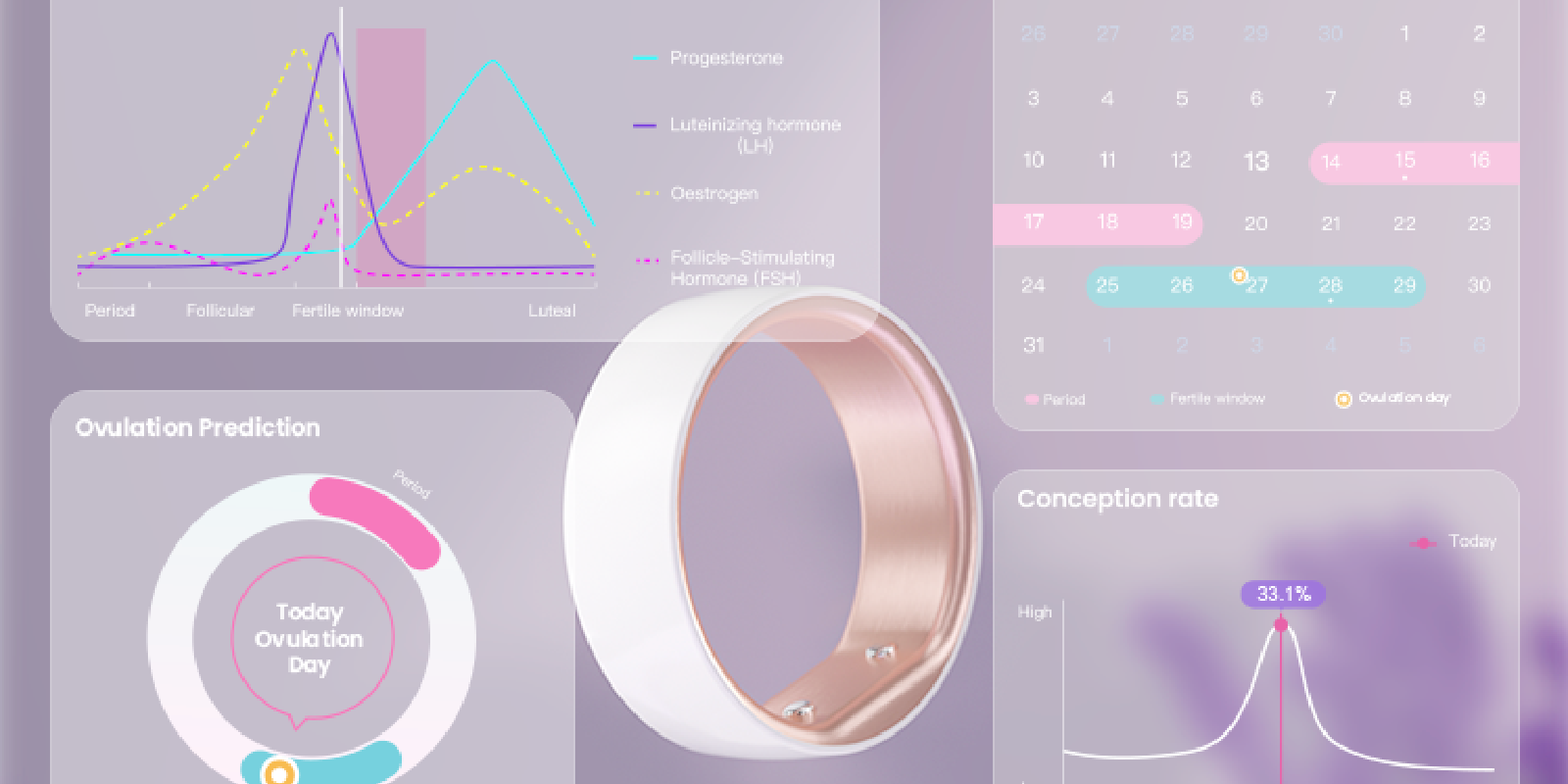
Best For: Women’s Health, Cycle Tracking, and Budget-Conscious Beginners.
Price Point: $99 (Entry-Level)
The Breakdown: Ring 1 has disrupted the market by offering high-tier Basal Body Temperature (BBT) and ovulation tracking at a sub-$100 price point. While most wearables gatekeep hormonal insights behind a monthly paywall, Ring 1 remains subscription-free.
Why it’s worth it: If your primary goal is reproductive health or "Natural Family Planning" (NFP), this ring provides the necessary 0.1°C sensitivity without the bulk of a traditional smartwatch.
Femoemter Smart Ring Gen 2
Best For: Comprehensive 24/7 Health Monitoring & Activity.
Price Point: $209 (Mid-Range)
The Breakdown: As the "Swiss Army Knife" of the finger, Ring 2 balances durability with a deep sensor array. It tracks Heart Rate Variability (HRV), Blood Oxygen (SpO2), and Active Burn with a ruggedness that suits gym-goers and hikers.
Why it’s worth it: It offers the most balanced "Readiness Score" in the industry, helping you decide if today is a day for a marathon or a rest day. It is the definitive choice for the "Mainstream User."
Femoemter Smart Ring Air
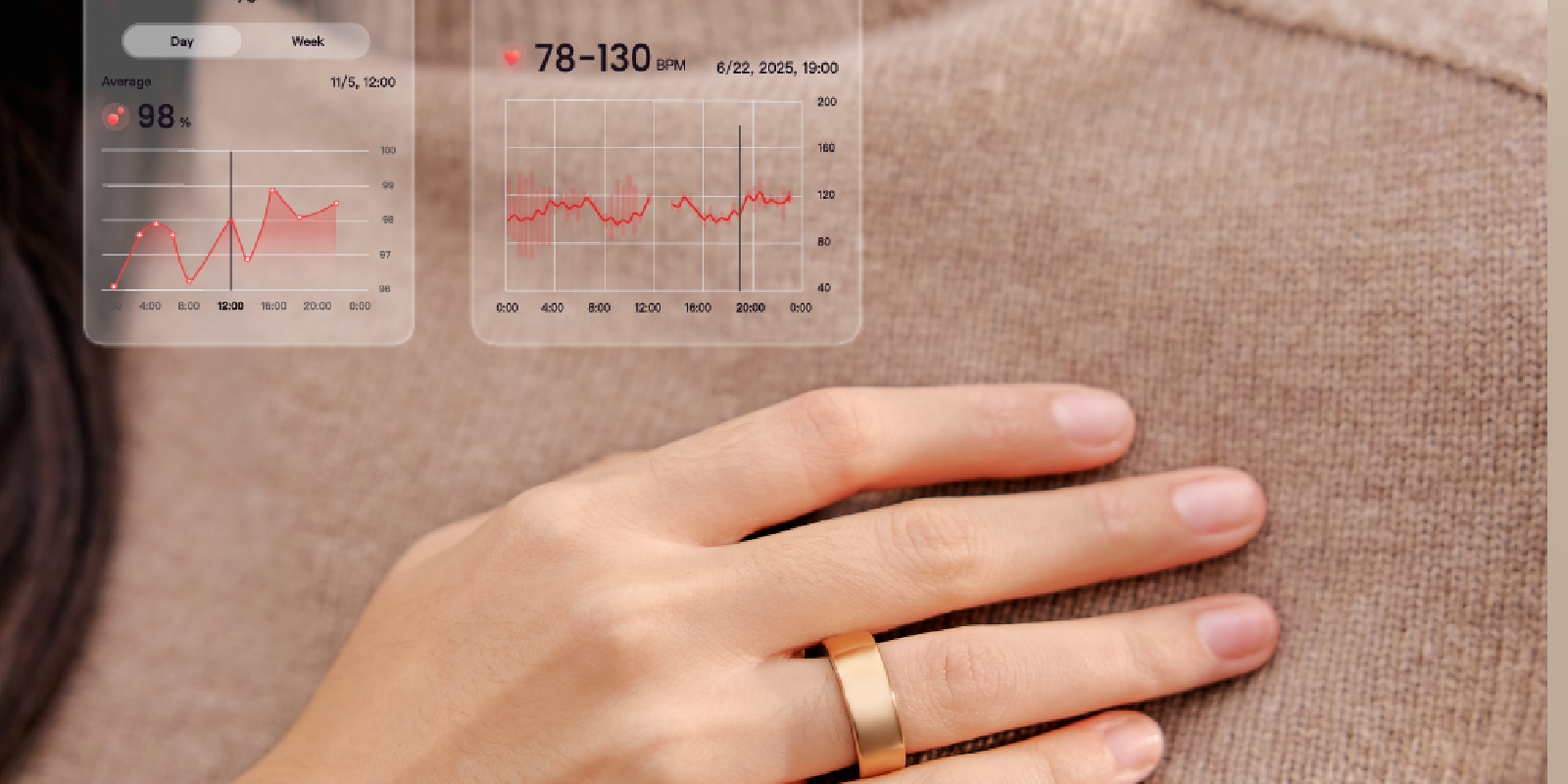
Best For: Sleep Optimization & Maximum Ergonomics.
Price Point: $189 (Premium Comfort)
The Breakdown: The Ring Air lives up to its name by being the lightest smart ring ever engineered. It features a "tapered inner-molding" that prevents the "clunky" feeling many users complain about when clenching their fist or sleeping.
Why it’s worth it: If you have sensitive skin or find other wearables "intrusive" at night, the Ring Air is virtually unnoticeable. It is the premier choice for dedicated Sleep Biohackers who need precision data without the physical friction.
9. Conclusion: The Final Verdict
Are smart rings worth it in 2026?
For the majority of health-conscious consumers, yes. The technology has moved past the "early adopter" phase. The data is more accurate, the apps are more intuitive, and the battery life beats almost every competitor on the wrist.
If you value sleep quality, stress management, and a minimalist lifestyle, the smart ring is arguably the best investment in your personal health "tech stack" this year.
10. Frequently Asked Questions (FAQ)
Can I wear my smart ring in the shower or pool?
Yes, most 2026 smart rings (like Oura Gen 4 or Samsung Galaxy Ring 2) are water-rated up to 100 meters (10ATM). They are safe for swimming, showering, and saunas.
How do I choose the right size?
Always request a sizing kit before purchasing. Your finger size changes throughout the day due to temperature and hydration. Wear the plastic sizer for 24 hours to ensure a perfect fit on your index or ring finger.
Do smart rings work with both iPhone and Android?
Most major brands offer cross-platform support. However, certain "ecosystem" rings (like the Samsung Ring) may offer exclusive features (e.g., "Find My Ring") only when paired with their respective brand’s phones.
Can a smart ring replace my Apple Watch?
Only if you don't care about notifications, GPS, or taking calls from your wrist. A smart ring is a health monitor, while an Apple Watch is a wrist-computer.